
Why Yoga?
YOCO Yoga Collective | JAN 17, 2026
Why Yoga?
Yoga is a mind–body practice that integrates physical movement, intentional breathing, and focused attention. Rather than focusing on one outcome—like flexibility or strength—yoga supports the whole system.
Research shows that a regular yoga practice can positively impact both physical function and mental well-being by improving how the body moves, how we breathe, and how we respond to stress in daily life.
At its core, yoga is about awareness: noticing sensation, breath, and thought patterns, and learning how to meet them with greater ease and care.
Evidence-Supported Benefits of Yoga
Studies suggest that yoga may support:
Improved flexibility and joint mobility
Increased muscular strength and endurance
Better balance and coordination
Improved posture and body awareness
More efficient and conscious breathing
Support for cardiovascular health markers
Improved sleep quality
Reduced stress and perceived anxiety
Improved mood and overall mental well-being
Yoga is not a replacement for medical care, but it can be a meaningful complement to many wellness routines.
Yoga is generally safe for most people and can be adapted to a wide range of bodies, abilities, and experience levels. If you are pregnant, recovering from an injury, or managing a chronic health condition, we recommend consulting a healthcare provider to help determine which yoga styles or levels may be appropriate for you.
Yoga Is Not About Perfection
Yoga is not about touching your toes, mastering advanced poses, or pushing through discomfort.
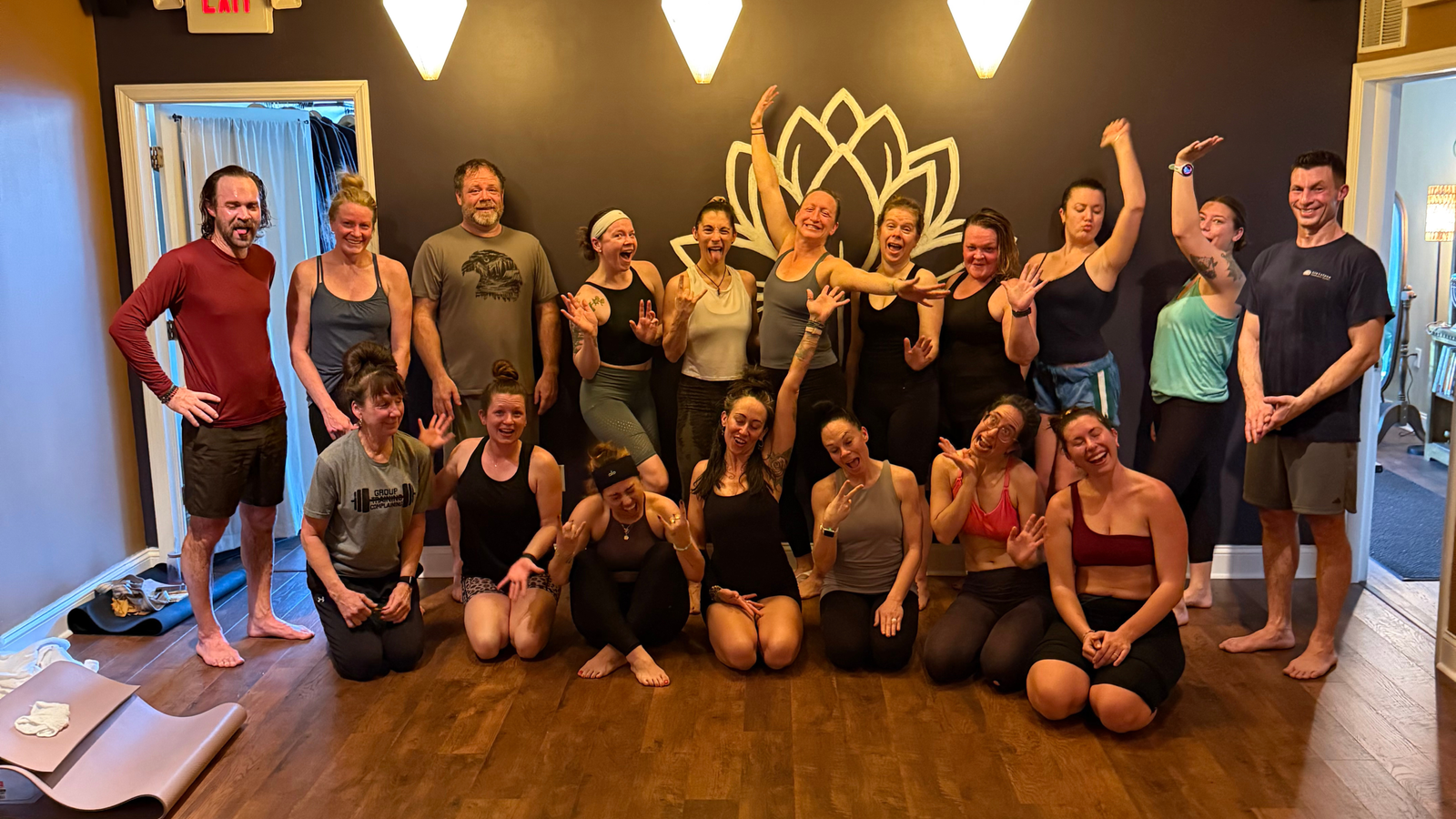
At YOCO, yoga is practiced as a personal experience, not a performance. Every body is different, and every practice will look different from day to day. Options, modifications, and rest are always encouraged.
Showing up and listening to your body is the practice.

Breathing Practices
Breathwork (pranayama) is a foundational component of yoga. Conscious breathing can help regulate the nervous system, improve focus, and create a sense of grounding—both during class and in everyday life.
Below are simple breathing exercises you can use anytime to reconnect with your breath and body.
4–7–8 Breathing
Inhale through the nose for 4 counts
Hold the breath for 7 counts
Exhale slowly through the mouth for 8 counts
Repeat for 4 rounds
This technique can help calm the nervous system and prepare the body for rest.
Alternate Nostril Breathing
Gently close one nostril and inhale through the other
Switch sides and exhale
Continue alternating sides for several rounds
This practice may support mental clarity, balance, and focused attention.
Lion’s Breath
Inhale deeply through the nose
Exhale forcefully through an open mouth, tongue extended
This breath can help release tension in the face, jaw, and throat, and is often used to relieve stress or stagnant energy.
Box Breathing
Inhale for 4 counts
Hold for 4 counts
Exhale for 4 counts
Hold for 4 counts
Visualizing the four sides of a box can help maintain rhythm and focus. This technique is often used to steady the breath and calm the mind.
Bringing Yoga Into Everyday Life
Yoga doesn’t begin and end on the mat. The skills developed in practice—awareness, breath control, patience, and self-compassion—can support how we move through daily life, relationships, work, and stress.
Even a few minutes of mindful movement or breathing can make a difference.
Practice With Us
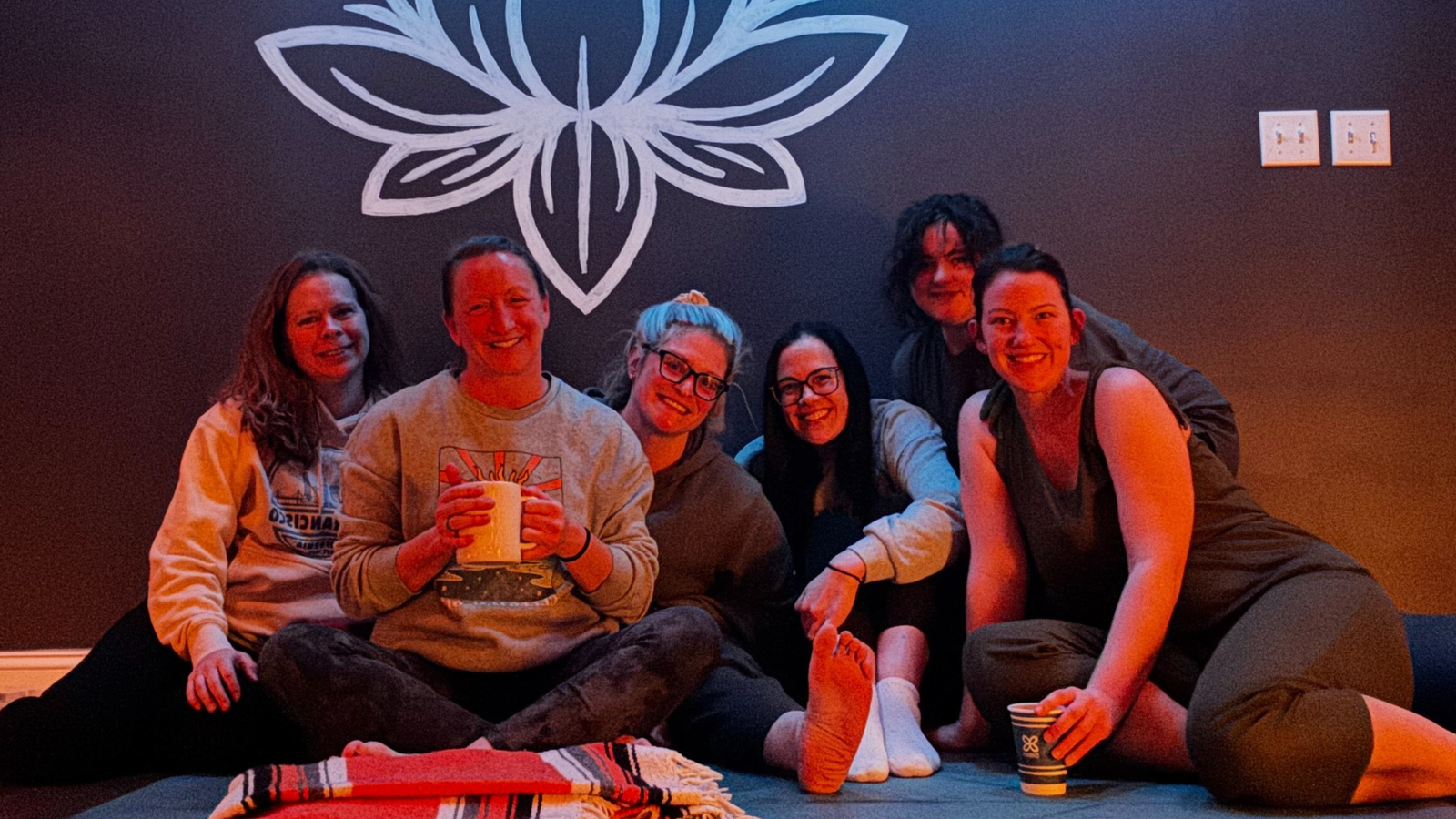
If you’re curious about yoga, returning after time away, or looking for a supportive community to practice with, we invite you to explore YOCO Yoga Collective.
We offer heated and non-heated classes, gentle and beginner-friendly options, vinyasa and power flows, restorative practices, and specialty workshops—so you can find what feels right for you.
Read our Starting Yoga in Pittsburgh Blog!
New students can try 30 Days for $30 unlimited yoga
Come as you are.
Move, breathe, and grow with us.
YOCO Yoga Collective | JAN 17, 2026
Share this blog post



A community-rooted yoga studio in Pittsburgh’s South Hills.